Chronic Migraines: Acupuncture or Electroacupuncture?
Acupuncture Today Staff
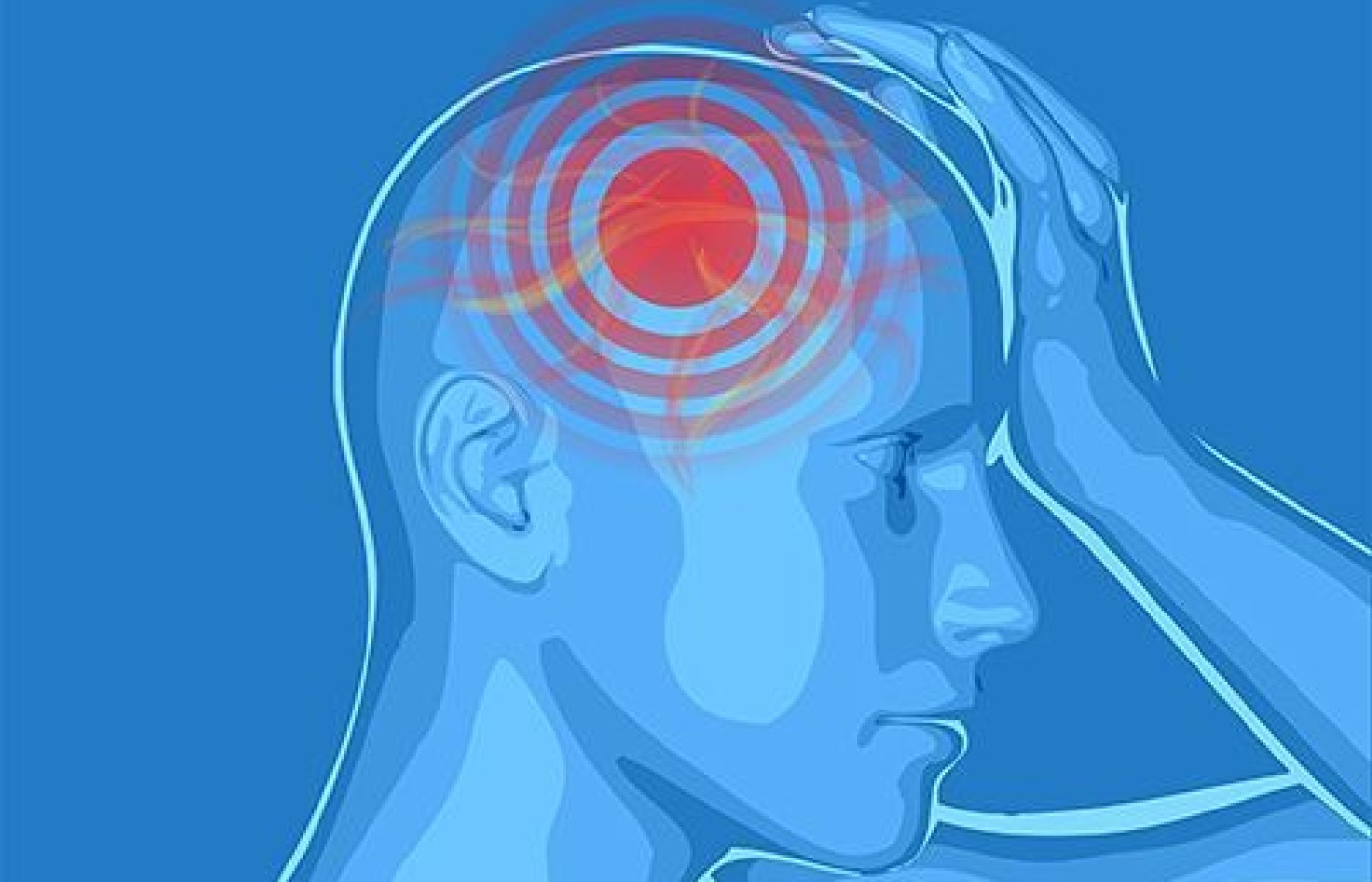
A single migraine is debilitating, but as you know, chronic migraines can dramatically change a patient's life long term. Acupuncture – particularly electroacupuncture – to the rescue!
A research team at Qingpu Hospital of Traditional Chinese Medicine (China) recruited 55 patients with chronic migraines (average duration: 40-plus months) and liver yang hyperactivity to compare the effect of manual acupuncture and electroacupuncture on migraine variables including pain VAS scores), pain duration and frequency of attacks.
Patients were randomized for 28 days (four seven-day sessions of five consecutive days of treatment, followed by two-day breaks). Patients received manual acupuncture or electroacupuncture at the same points: GB 20 (Fengchi); GV 20 (Baihui); EX-HN5 (Taiyang); LI 4 (Hegu); LV 3 (Taichong); and KD 3 (Taixi).
All patients improved with respect to the three outcome measures: VAS scores, pain duration and frequency of attacks; with electroacupuncture achieving significantly greater improvement than manual acupuncture.
The researchers also used a four-tier symptom scoring system (recovered, significantly effective, effective or ineffective) to evaluate overall efficacy: 83.3 percent for electroacupuncture with two cases recovered, 14 significantly effective, nine effective, and only three ineffective; vs. 63.0 percent for manual acupuncture with no cases recovered, six significantly effective, 11 effective and 10 ineffective.
Source
Hu T, Shen L, Zhang H, et al. [Clinical curative effect of electro-acupuncture combined with cerebral circulation in treatment of liver-yang hyperactivity migraine.] J Navy Med;42(5).
Editor's Note: An English-language summary by continuing-education provider HealthCMi served as the basis for our article.
Fertility acupuncture sometimes gets presented as a narrow protocol: a handful of reproductive points applied uniformly across patients. What this case reinforced for me: The most powerful work happens when we read the whole picture. The hormone data, the constitutional tendency, the sleep, the digestion, and the menstrual pattern, so we can treat the environment the ovaries live inside.
For those of you unfamiliar with alpha-gal syndrome, it’s been in the news recently for causing Americans to be allergic to meat. It is an acquired allergy to galactose-alpha-1,3-galactose, or alpha-gal, a carbohydrate found in mammalian meat and many mammal-derived products. A new case series on auricular acupuncture is so intriguing points toward a viable treatment strategy rather than lifelong dietary restriction alone.
The motivation behind our practice of medicine is important, impacting not just our experience but also the experiences of those we treat. It is perhaps for this reason that the aspiration to help not just some, but all beings heal, has historically been an important part of the medical tradition. To explain this, we need to consider how medicine is interwoven with other social domains.