Integrative Care for Breast Cancer: Oncologists Approve
Acupuncture Today Staff
| DIGITAL EXCLUSIVE
The American Society of Clinical Oncology (ASCO), representing an estimated 40,000 oncology physicians from all subspecialties, has endorsed the Society for Integrative Oncology's 2017 evidence-based guideline on the use of acupuncture and related integrative therapies during and after breast cancer treatment.
An ASCO expert panel reviewed the guideline contents and recommendations, determining "that the recommendations in the SIO guideline ... are clear, thorough, and based on the most relevant scientific evidence."
Key recommendations in the guideline as endorsed by the ASCO include the following, published in the society's online guideline section and the Journal of Clinical Oncology, an ASCO publication:
"Music therapy, meditation, stress management, and yoga are recommended for anxiety/stress reduction.
"Meditation, relaxation, yoga, massage, and music therapy are recommended for depression/mood disorders.
"Meditation and yoga are recommended to improve quality of life.
"Acupressure and acupuncture are recommended for reducing chemotherapy-induced nausea and vomiting.
"Acetyl-L-carnitine is not recommended to prevent chemotherapy-induced peripheral neuropathy because of a possibility of harm.
"No strong evidence supports the use of ingested dietary supplements to manage breast cancer treatment–related adverse effects."
Click here to review the ASCO endorsement as published in the Journal of Clinical Oncology. Click here to access the SIO 2017 guideline. (Note that the ASCO did not endorse the SIO guideline in totality and added several discussion points.)
Fertility acupuncture sometimes gets presented as a narrow protocol: a handful of reproductive points applied uniformly across patients. What this case reinforced for me: The most powerful work happens when we read the whole picture. The hormone data, the constitutional tendency, the sleep, the digestion, and the menstrual pattern, so we can treat the environment the ovaries live inside.
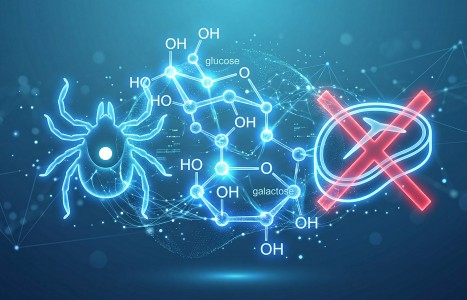
For those of you unfamiliar with alpha-gal syndrome, it’s been in the news recently for causing Americans to be allergic to meat. It is an acquired allergy to galactose-alpha-1,3-galactose, or alpha-gal, a carbohydrate found in mammalian meat and many mammal-derived products. A new case series on auricular acupuncture is so intriguing points toward a viable treatment strategy rather than lifelong dietary restriction alone.
The motivation behind our practice of medicine is important, impacting not just our experience but also the experiences of those we treat. It is perhaps for this reason that the aspiration to help not just some, but all beings heal, has historically been an important part of the medical tradition. To explain this, we need to consider how medicine is interwoven with other social domains.