Could Cupping Improve COVID Vaccine Effectiveness?
Acupuncture Today Staff
| DIGITAL EXCLUSIVE
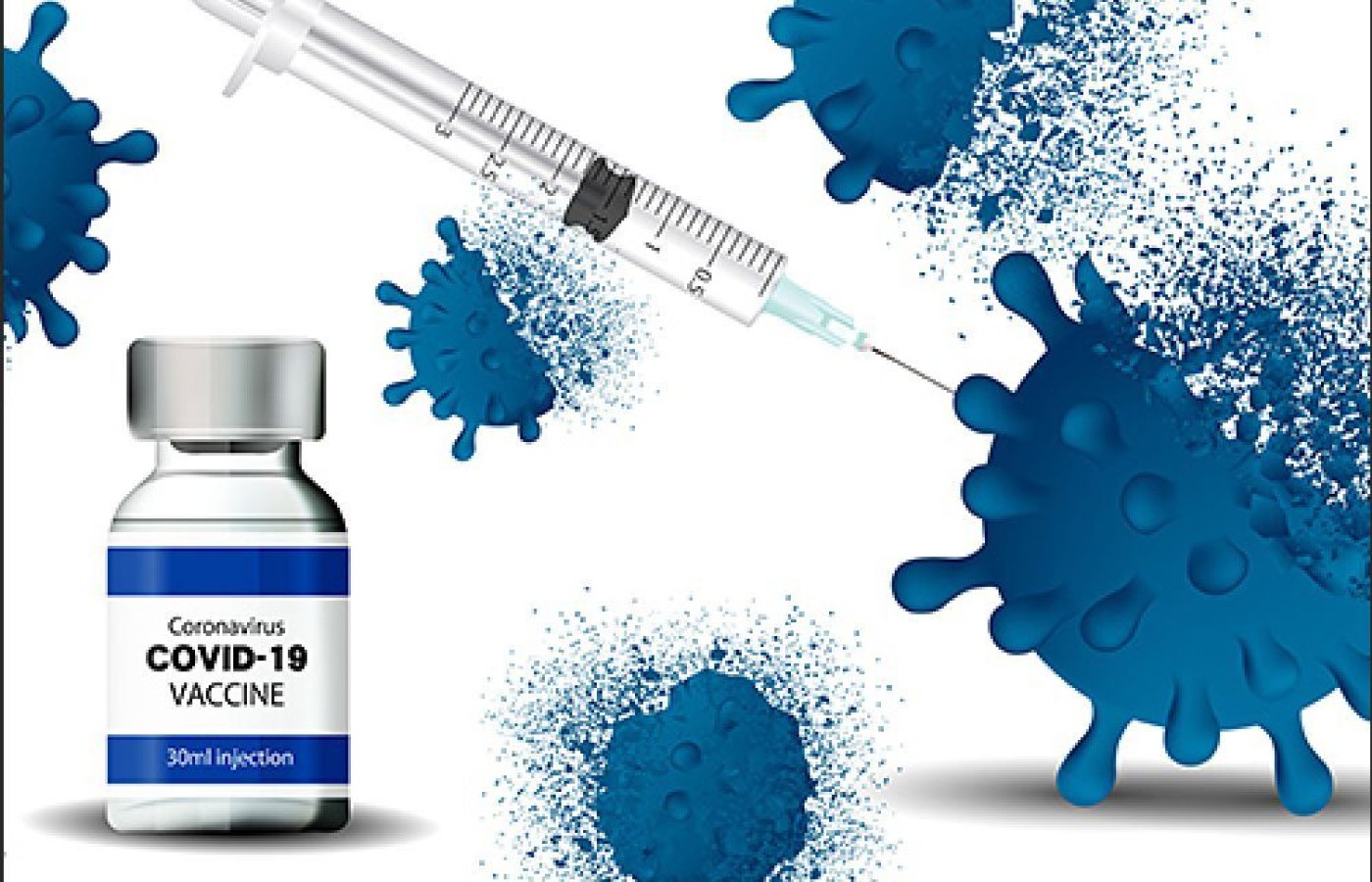
While the ultimate effectiveness of COVID vaccines, both RNA- and DNA-based, against the original strain and its various mutations, including the omicron variant, has yet to be determined, researchers have discovered that the ancient art of cupping practiced by many TCM practitioners may play a role in antibody production following vaccination.
Researchers performing animal (rat) trials discovered that when a DNA-based COVID vaccine was administered in conjunction with 30 seconds of a suction technique at the injection site "similar to Chinese báguàn and Middle Eastern hijama cupping therapies," the immune response was 100 times that of the vaccine alone. In other words, 100 times more antibodies were produced than if the vaccine were administered without the cupping technique.
While the study was funded by a vaccine manufacturer and conducted by a joint research team featuring researchers from not only Rutgers University, but also the South Korean pharmaceutical company, that shouldn't minimize the potential significance of their findings, which appear in Science Advances. Two immediate takeaways come to mind:
Recognition that cupping plays an important role in immune response (in general and potentially during vaccine administration)
Potential for a TCM technique performed by many acupuncture practitioners to improve COVID vaccine effectiveness, and in so doing, reduce COVID-related hospitalizations and deaths
Interested in reading the entire study as it appears in Science Advances [Lallow EO, et al.; Nov. 5, 2021;7(45)]? It's available free of charge by clicking here.
Fertility acupuncture sometimes gets presented as a narrow protocol: a handful of reproductive points applied uniformly across patients. What this case reinforced for me: The most powerful work happens when we read the whole picture. The hormone data, the constitutional tendency, the sleep, the digestion, and the menstrual pattern, so we can treat the environment the ovaries live inside.
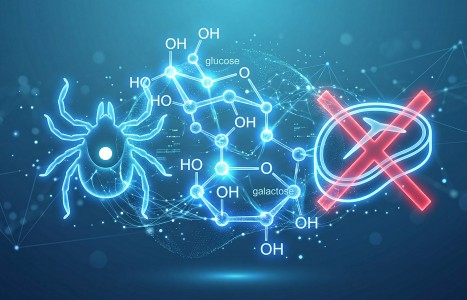
For those of you unfamiliar with alpha-gal syndrome, it’s been in the news recently for causing Americans to be allergic to meat. It is an acquired allergy to galactose-alpha-1,3-galactose, or alpha-gal, a carbohydrate found in mammalian meat and many mammal-derived products. A new case series on auricular acupuncture is so intriguing points toward a viable treatment strategy rather than lifelong dietary restriction alone.
The motivation behind our practice of medicine is important, impacting not just our experience but also the experiences of those we treat. It is perhaps for this reason that the aspiration to help not just some, but all beings heal, has historically been an important part of the medical tradition. To explain this, we need to consider how medicine is interwoven with other social domains.