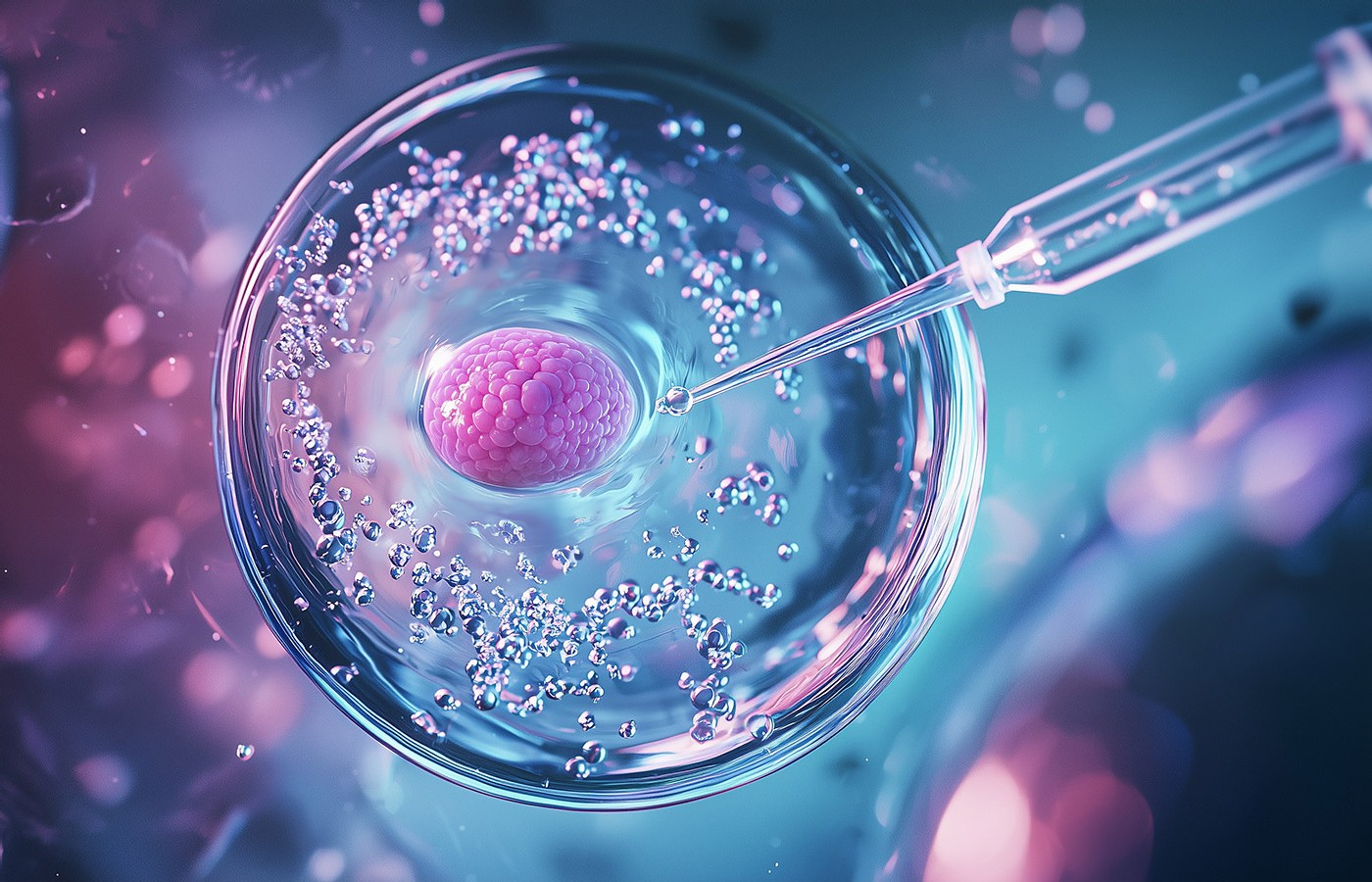
In vitro fertilization with embryo transfer (IVF-ET) is a key procedure in assisted reproductive technology, involving the fertilization of eggs outside the body followed by the transfer of embryos into the uterus. Acupuncture has been utilized and proven to improve IVF success rates and increase the chances of pregnancy by enhancing endometrial receptivity, balancing hormones and reducing psychological stress.
More and more families are seeking acupuncture support during their IVF cycles. However, the timing and frequency of acupuncture remain the most commonly asked questions in my clinical practice. So, let’s explore how to administer acupuncture to achieve optimal outcomes during the IVF process.
Biomedical Perspective
From a modern biomedical perspective, acupuncture administered before and during the IVF cycle can help regulate the hypothalamic-pituitary-ovarian axis, promote hormonal balance, improve blood flow to the uterus and ovaries, enhance endometrial receptivity and ovarian response, and reduce stress by activating the parasympathetic nervous system and inhibiting sympathetic activity.1-2
Studies have shown that the most frequently used acupoints in IVF-supportive treatment are around the lower abdomen and middle to lower back. Anatomically, the uterus, ovaries and fallopian tubes are innervated by the 11th thoracic to second lumbar spinal nerves (T11 – L2) and the second to fourth sacral spinal nerves (S2-S4). These commonly used acupoints correspond closely with the distribution of these nerves, suggesting that overlapping afferent nerve segments may form the neurological basis for acupuncture’s synergistic effects on reproductive function.2
TCM Perspective
From a traditional Chinese medicine (TCM) standpoint, the Kidney-Tian Gui-Chong-Ren-Uterus axis, proposed by Dr. Luo Yuankai in the 1980s, represents a foundational model of female reproductive physiology. This framework emphasizes the kidneys as the root of reproductive essence, tian gui as the internal catalyst for reproductive maturation, the Chong and Ren vessels as key regulatory pathways, and the uterus as the primary target organ for reproductive function.
This TCM model closely parallels the hypothalamic–pituitary–ovarian axis in modern biomedicine, with both systems describing an integrative network that governs hormonal regulation, follicular development and overall reproductive function.
From this perspective, pre-cycle acupuncture – starting anywhere from one to three months before the IVF cycle – is aimed at nourishing kidney essence, regulating menstruation, and harmonizing the Chong and Ren vessels. Treatment typically involves acupuncture once or twice a week, using root-focused strategies to support follicular development.
Research indicates that folliculogenesis spans approximately three to four months, suggesting acupuncture may be particularly effective when administered during the early stages of follicular maturation.2
As the embryo transfer (ET) day approaches, studies have demonstrated that acupuncture performed on the day of ET can improve clinical pregnancy rates, particularly in freeze-thaw embryo transfer cycles.3-4 Furthermore, a higher dosage of acupuncture before ET has been associated with a significant increase in live birth rates.3
Key Take-Home Points
Acupuncture offers valuable support throughout the IVF process by enhancing both physiological and energetic aspects of reproductive function. When timed appropriately – beginning one to three months before the IVF cycle and continuing through embryo transfer – acupuncture may improve hormonal regulation, ovarian response, endometrial receptivity, and overall pregnancy outcomes.
By integrating both biomedical mechanisms and traditional Chinese medicine theory, acupuncture provides a holistic and evidence-informed approach to optimizing fertility and supporting patients on their IVF journey.
Editor’s Note: This is the latest installment in a new multi-author column focused on fertility / reproductive health. If you’d like to be considered for inclusion in the column, send your article to editorial@acupuncturetoday.com for review.
References
- Dong HX, Wu X, Zhou Q, et al. Effect of acupuncture on endometrial blood flow in women undergoing in vitro fertilization embryo transfer: a single blind, randomized controlled trial. Chin J Integ Med, 2024;30(1):10-17.
- Li YT, Li CL, Yang H, et al. Correlation between acupuncture dose and pregnancy outcomes in women with polycystic ovary syndrome undergoing in vitro fertilization-embryo transfer: a systematic review. BMC Compl Med Ther, 2024;24(1):407.
- Wang X, Xu HM, Wang QL, et al. The timing and dose effect of acupuncture on pregnancy outcomes for infertile women undergoing in vitro fertilization and embryo transfer: a systematic review and meta-analysis. J Integ Compl Med, 2024;30(11):1031-1046.
- Westergaard LG, Mao Q, Krogslund M, et al. Acupuncture on the day of embryo transfer significantly improves the reproductive outcome in infertile women: a prospective, randomized trial. Fertility & Sterility, 2006;85(5):1341-1346.