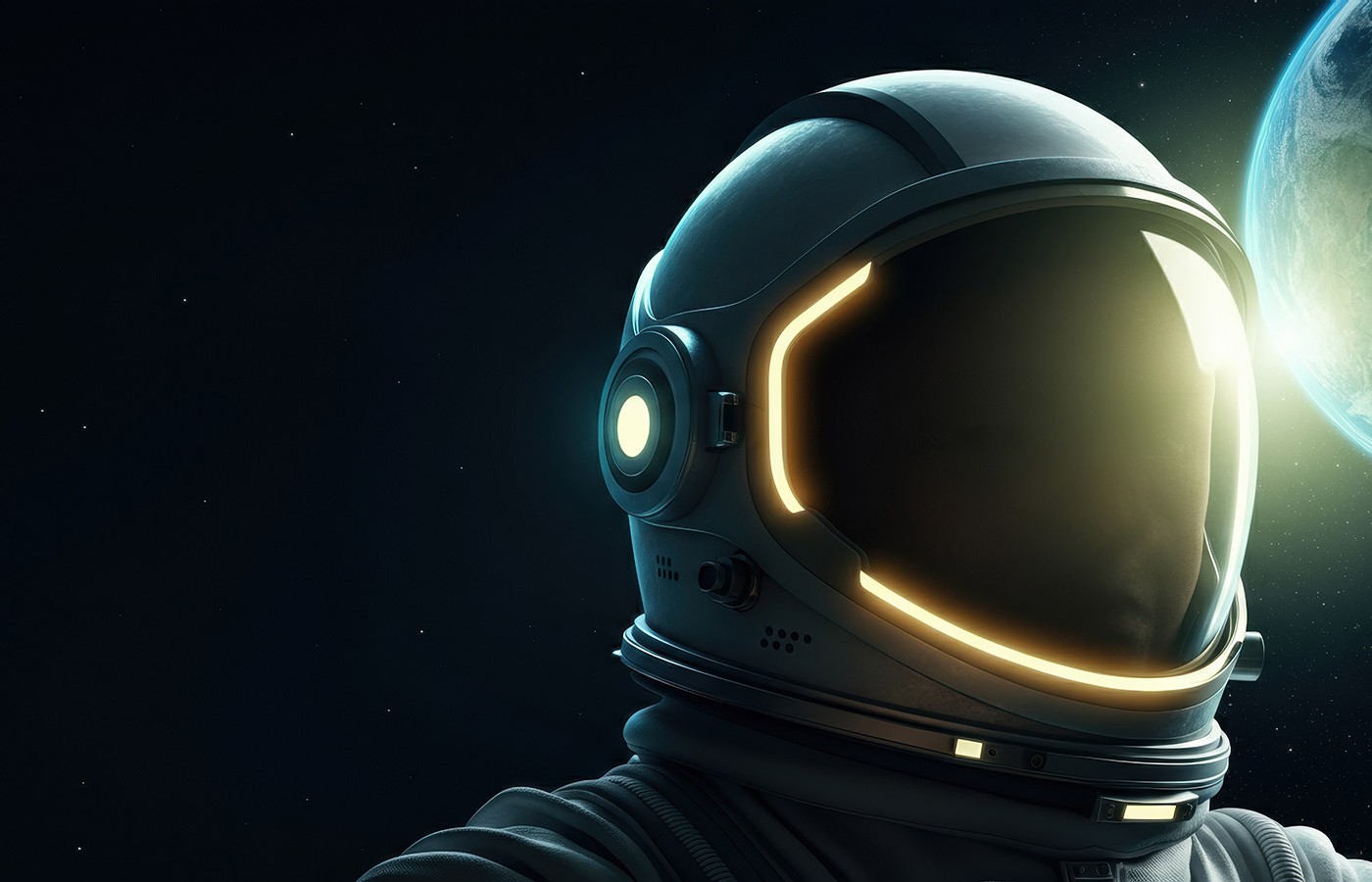
Space exploration challenges nearly every system of the human body, making space medicine fundamental. Astronauts live and work in an environment in which gravity, light cycles and even the way bodily fluids move are profoundly altered. These changes can lead to various health issues such as motion sickness, disrupted circadian rhythms, muscle atrophy, bone density loss, immune suppression, and psychological stress that can delay mission readiness and risk mission or astronaut safety.
While aerospace medicine has primarily addressed these concerns through engineering, exercise protocols and pharmaceuticals, traditional Chinese medicine (TCM) offers an additional, holistic framework for adaptation. TCM focuses on maintaining balance, optimizing the body’s internal environment and supporting resilience, qualities that are just as critical 250 miles above Earth as they are in an Earth-based clinic. Let’s explore how TCM theory and practice could inform future astronaut and space tourist health strategies.
A TCM Perspective on Spaceflight
Microgravity and the operational stress of spaceflight can be interpreted through TCM as disruptions to the smooth flow of qi and blood, as well as imbalances in the organ systems:
- Qi and Blood Stagnation in Microgravity: Without gravity’s pull, bodily fluids shift toward the head, producing facial puffiness, nasal congestion and increased intracranial pressure that can resemble stagnation.
- Liver Qi Stagnation and Shen Disturbance: The stresses of confinement, high workload and altered schedules can disrupt liver qi flow, leading to irritability, insomnia and impaired focus. In TCM, the liver plays a key role in maintaining emotional balance and supporting the shen (spirit).
- Spleen Qi Deficiency: Changes in appetite, reduced digestive motility, and altered nutrient absorption in space parallel patterns of spleen qi deficiency, impacting energy, concentration and immune function.
- Kidney Essence Depletion: Long-duration missions and exposure to cosmic radiation may tax the kidney system, which governs constitutional strength, bone density and reproductive health in TCM theory.
Understanding space-related health concerns through this lens allows for the design of interventions that address root causes, not just symptoms.
TCM in Space: Promising Directions
While direct research on TCM in space is still in its infancy, related Earth-based studies offer promising directions:
- Auricular Acupuncture for Motion Sickness: At present, there are a few studies that have demonstrated the effectiveness of auricular points for reducing nausea and improving vestibular adaptation, which could be critical during launch, re-entry and parabolic maneuvers.
- Body Acupuncture for Circulation and Muscle Preservation: Points like ST 36 (Zusanli) and SP 6 (Sanyinjiao) are well-studied for improving circulation, supporting digestion and maintaining muscle tone, potentially useful in mitigating microgravity-induced deconditioning.
- Breathing and Qigong Practices for Stress Regulation: Incorporating movement and breath-based routines may enhance autonomic balance, reduce psychological strain and maintain musculoskeletal health in confined spaces.
Proposed Protocols for Astronaut & Space Tourist Wellness
Pre-Flight:
- Focus on strengthening zheng qi (upright qi) through acupuncture, herbal formulas and dietary adjustments tailored to the individual’s constitution.
- Regulate circadian rhythms using morning Du channel stimulation and evening Yin channel support to prepare for altered light cycles.
In-Flight:
- Pre-administered auricular tacks or seeds to support digestion, sleep and emotional balance.
- Short daily meridian-based movement sequences to maintain flexibility and qi flow for longer-duration missions.
- Acupressure for acute symptoms such as nausea, headache and anxiety.
Post-Flight:
- Treatments to restore circulation, harmonize the shen, and support spleen and kidney recovery.
- Bone-strengthening herbal support and gentle moxibustion to aid in re-adaptation to gravity.
The integration of TCM into space medicine requires rigorous, controlled studies to validate feasibility, safety and efficacy. Upcoming feasibility trials, including those examining auricular acupuncture during parabolic flight, represent a first step toward bridging these disciplines. Such research could pave the way for including acupuncture protocols in astronaut training and post-mission rehabilitation.
Collaboration between TCM practitioners, aerospace physicians and human-factors specialists will be essential. This partnership could lead to the development of portable, self-administered acupuncture kits designed for space missions, bringing a low-cost, non-pharmaceutical option into the toolkit for astronaut health.
As humanity ventures farther into space, maintaining the health and performance of astronauts will become increasingly complex. TCM offers a time-tested, adaptable approach to supporting the body in extreme environments, addressing both the physical and emotional dimensions of human health.
By framing spaceflight challenges through TCM theory and exploring practical applications, we open the door to innovative solutions that could benefit not only astronauts, but also people facing high-stress, high-demand conditions here on Earth.
The next frontier for TCM may very well be among the stars – where the ancient meets the cutting edge in service of human resilience.
Resources
- Hodkinson PD, Anderton RA, Posselt BN, Fong KJ, An overview of space medicine. BJA: Brit J Anaesthesia, 2017 Dec;110(Suppl. 1):i143-i153.
- Chen Y, Guo D. Comparative Study of Acupuncture–Moxibustion and Transcranial Micro-Current Stimulation in Therapy of Altitude Hypoxia Headache and Insomnia. In: International Conference on Man-Machine-Environment System Engineering. Singapore: Springer Singapore, 2019: pp. 11-20).
- Hu S, Stritzel R, Chandler A, Stern RM. P6 acupressure reduces symptoms of vection-induced motion sickness. Aviation, Space, Environ Med, 1995;66(7):631-634.
- Williams D, Kuipers A, Mukai C, Thirsk R. Acclimation during space flight: effects on human physiology. Canadian Med Assoc J, 2009;180(13):1317-1323.