Bill Reddy, LAc, Dipl. Ac.
Mast cell activation syndrome (MCAS) affects more than 15% of the U.S. population but evades most practitioners’ radar. Just five years ago, it wasn’t even on my radar, despite already having 20 years of experience as a clinician at that time.
The more I dug (similar to leaky gut and post-COVID syndrome), the more I found my patients were suffering from this disorder. Another thing MCAS has in common with leaky gut and long COVID is its constellation of symptoms and it not being fully recognized by physicians and natural healers alike. Every MCAS patient is unique.
Symptoms to Consider
Do you currently have a patient who presents with one or more of the following?1
- Rash / dermagraphism
- Hives
- Cramps / bloating
- Nausea / vomiting
- Reflux
- IBS-like symptoms
- Tachycardia / palpitations / Postural Orthostatic Tachycardia Syndrome (POTS)
- Dizziness or lightheadedness
- Headaches
- Brain fog
- Fatigue
- Balance issues
- Sleep disturbances
- Strange sense of anxiety coming out of nowhere
- Joint / muscle pain
- Osteoporosis
- Menorrhagia / dysmenorrhea
Now the questions start pouring out. What’s the etiology? Are there any definitive tests for MCAS? If I find out my patient is suffering from it, what can I do about it? These are all reasonable questions. Let’s start from the beginning.
Mast Cells 101
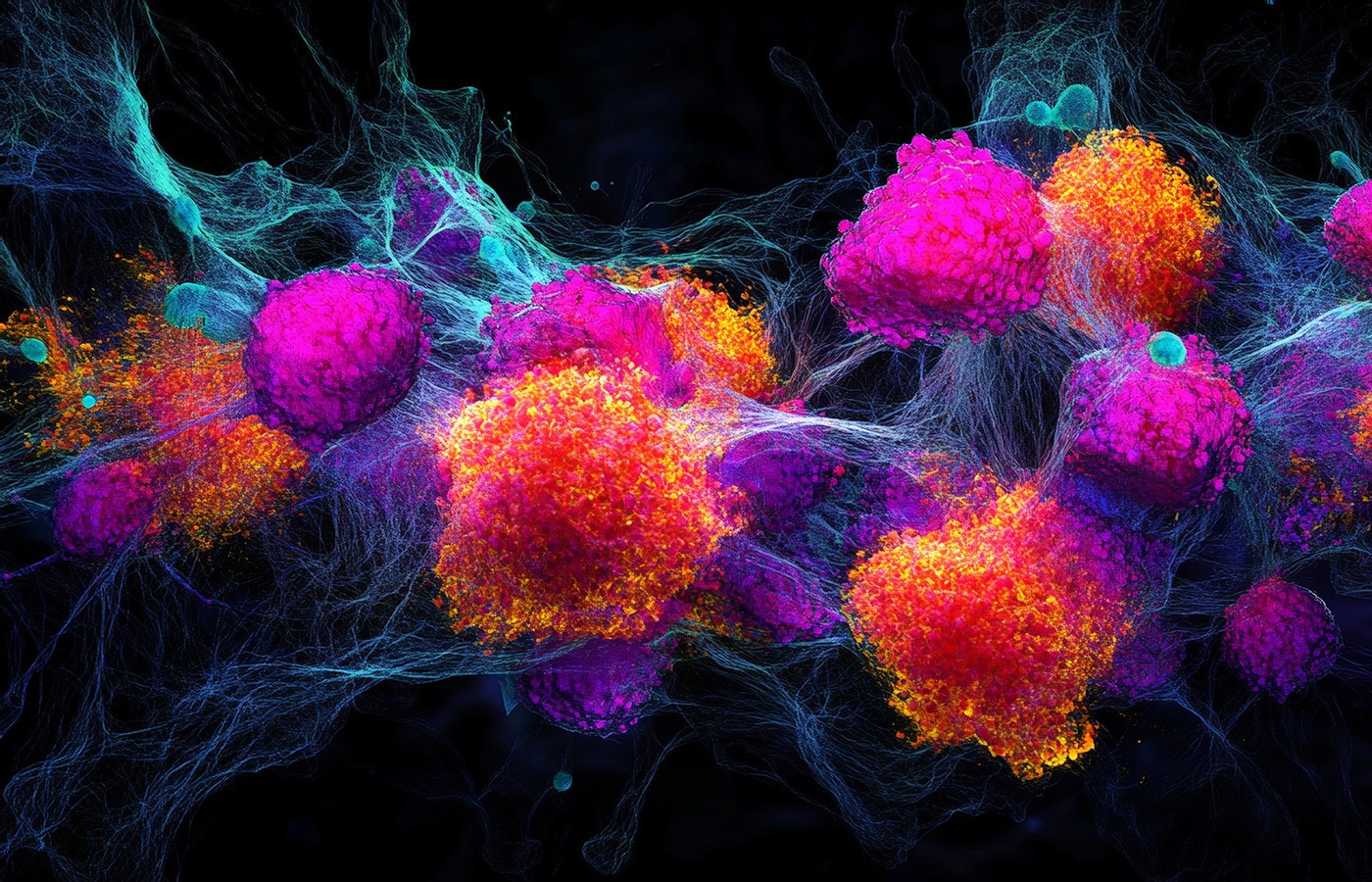
Mast cells are a type of white blood cell that step up when we’re exposed to pathogens or allergens. They’re found in connective tissues throughout the body, particularly near blood vessels, skin, mucous membranes, and respiratory and gastrointestinal tracts. (Interesting side note – ashi points correlate with higher mast cell density in the tissues.)
Mast cells store and release chemical mediators such as histamine, heparin, cytokines, and proteases. They’ll promote inflammation when dealing with bacteria, parasites, stings, and bites, and will cause itching, swelling, and bronchoconstriction in response to an allergen.
Etiology
The etiology of MCAS is less straightforward. Genetics (KIT, D816V mutations) play a role, but environmental triggers dominate such as mold, pesticides, pollutants, and plastics (specifically those containing Bisphenol A). Chronic infections such as Lyme disease, Epstein-Barr virus, COVID-19, or candida overgrowth will induce prolonged immune activation, leading to mast cell dysfunction and hyperactivation.
Similar to autoimmune disorders, mast cells become overzealous in doing their job, releasing histamines and cytokines, like a security alarm constantly going off when there’s no real danger. Histamine from GI mast cells, for instance, triggers local symptoms like cramps, bloating and nausea while simultaneously causing sudden nighttime anxiety through gut-brain pathways.
Testing / Diagnosis
After taking a thorough medical history, including asking what makes symptoms better or worse, timing, intensity, and duration – and examining the patient’s tongue and pulses, consider MCAS if symptoms affect two or more organ systems.
A 2010 paper2 established these multi-system criteria as diagnostic hallmarks: skin (urticaria, flushing), gastrointestinal (nausea, diarrhea), cardiovascular (hypotension, tachycardia), respiratory (wheezing). An eight-page online questionnaire uses a simple point system; scores ≥14 strongly suggest MCAS.
Lab Tests:
Serum tryptase: Blood level of an enzyme of mast cells. The difficult part of this is getting the test within four hours of acute symptoms, which is nearly impossible in our present healthcare system unless the patient is in the emergency department.
24-hour urine collection: Urine test to measure elevated levels of metabolites of histamines, leukotrienes and prostaglandins. Once again, this test should ideally be performed during or shortly after a symptomatic episode to get proper results.
From a clinical standpoint, a simple litmus test is to recommend the patient take an over-the-counter 12-hour antihistamine (Allegra/Claritin-D, etc.) or H2 blocker such as Pepsid or Zantac. If they report improvement in their symptoms, it’s time to consider MCAS as the root cause.
Management / Treatment
First, try to avoid triggers, which can include specific foods high in histamines, exercise, insect stings and bites, alcohol, medication, odors, physical, emotional and environmental stress (including temperature extremes), and medications.
Second, we can try to tamp down the cascade with fasting, supplements and detoxification protocols.
Third, we can treat them with acupuncture. There is currently no strong evidence supporting the use of cupping, gua sha or moxibustion for treating MCAS; however, clinical judgment can still guide their cautious application.
Addressing mast cell activation syndrome is both an art and a science, requiring dedicated observation, patience and baby steps. Supervised fasting can serve as one of the most transformative interventions; paradoxically, the initial few days may present a marked worsening of symptoms, as the body releases stored mediators. (In extreme circumstances, patients can experience asthma or anaphylaxis, requiring medical intervention.)
Pairing this approach with bioactive flavonoids like luteolin and quercetin (nature’s own mast cell stabilizers) can provide crucial support, as these pigments help modulate the troublesome release of histamine and inflammatory signals, gently restoring immune harmony.
Medications like antihistamines (both H1 and H2) and mast cell stabilizers are often essential to control symptoms and prevent severe reactions. However, it’s important to be mindful of potential side effects. Proton pump inhibitors (PPIs) such as Prilosec or Nexium, frequently prescribed to manage gastrointestinal symptoms in MCAS, may lead to long-term vitamin and mineral deficiencies, notably B12, magnesium, and calcium, impacting overall health.
A comprehensive protocol further focuses on reducing inflammatory triggers by bolstering the body’s antioxidant defenses, emphasizing the vital trio of glutathione, vitamin C (best in buffered ascorbate form) and vitamin E. These antioxidants not only quench free radicals, but also reinforce cellular resilience against environmental irritants.
Integrating phospholipids such as phosphatidylcholine, citicoline, and omega-3 fatty acid —fortifies cell membranes and neuronal health, while gently supporting detoxification pathways that clear the body of mycotoxins, pesticides, heavy metals, and other pro-inflammatory agents.
Taking quercetin (or resveratrol, luteolin or curcumin) helps stabilize mast cells, and taking DAO enzymes before meals can help reduce symptoms by “sweeping up” excess histamines.
Practical strategies like incremental sweating protocols (sauna or exercise), and a strictly low-histamine diet (for specific guidance, visit “What the Bleep Can I Eat?”), are indispensable, shielding the body from unnecessary provocation while enabling internal repair.
Acupoints ST 36 and GB 34 are known to modulate immune function and reduce mast cell-mediated inflammation.3 For patients demonstrating allergic symptoms, LI 11, LI 4, LU 7, SP 6 and SP 10 can be used effectively.4
Remember, healing MCAS is rarely linear, but through measured steps, mindful nutrition and strategic detoxification, the path toward recovery is well within reach.
References
- Theoharides TC, Valent P, Akin C. Mast cells, mastocytosis, and related disorders. N Engl J Med, 2015;373(2):163-172.
- Akin C, Valent P, Metcalfe DD. Mast cell activation syndrome: proposed diagnostic criteria. J Allergy Clin Immunol, 2010;126(6):1099-1104.
- Li Y, Yu Y, Liu Y, Yao W. Mast cells and acupuncture analgesia. Cells, 2022;11(5):860.
- Seidman MD, Gurgel RK, Lin SY, et al. Clinical practice guideline: allergic rhinitis. Otolaryngol Head Neck Surg, 2015;152(1 suppl):S1-S43.