
Skip the Steroids:
The Power of Plant Bioactives for Joint Health
By Tom Bayne, DC
Corticosteroids and massage help some conditions, but if cartilage is degraded, you have to get to the source
Framingham research highlights the surprising fact that nearly nine in ten people show cartilage damage on MRI despite having no symptoms.1 In cases where cartilage is compromised, interventions that target the root cause of degeneration are essential. For individuals with osteoarthritis - which is defined as cartilage breakdown - addressing the root cause of degradation has far greater impact.
Cartilage breakdown is widespread and problematic.
I've come to embrace cartilage regeneration strategies as the answer, using simple interventions with specialized, standardized dietary supplements.
Common Treatments and Their Limitations
Corticosteroids have long been used in clinical practice for joint pain related to inflammatory and degenerative conditions such as osteoarthritis and rheumatoid arthritis. Evidence suggests they provide moderate short-term relief in pain and functional improvement, typically lasting only a few weeks. However, their efficacy diminishes with repeated use, and they carry many potential adverse effects.
In the 2025 Guidelines from major Pain Societies, researchers shared:
adverse effects from corticosteroid injections can include: “an increase in blood glucose, adrenal suppression, [and a] detrimental effect on cartilage” (emphasis added).2
A 2021 meta-analysis similarly highlights the negative side effects while also emphasizing that long-term benefits are minimal.3
These risks underscore the limitations of corticosteroids as a sustainable long-term solution, especially in the context of progressive cartilage degradation where the underlying pathology is not addressed.
Massage therapy offers adjunctive benefits by improving joint function through multiple mechanisms. It reduces inflammation by enhancing local circulation, which increases oxygen and nutrient delivery, thereby facilitating tissue healing. Additionally, massage increases joint flexibility, reduces muscle tension, lowers pain levels, and decreases systemic stress markers relevant to chronic pain states. While valuable for symptomatic relief and functional maintenance, massage does not reverse cartilage damage or halt degenerative processes.
Painkillers. Many individuals turn to heavy use of painkillers with a range of side effects, including chronic irritation to the gut lining4 that can contribute to systemic inflammation.5 Topical NSAIDs and/or capsaicin may be useful for symptom management,6 but they don't address the underlying cause of cartilage degradation. In fact, a 2024 prospective study suggested that “long-term NSAID use could accelerate the progression to total knee replacement.”7
Emerging approaches: Targeting catabolic pathways
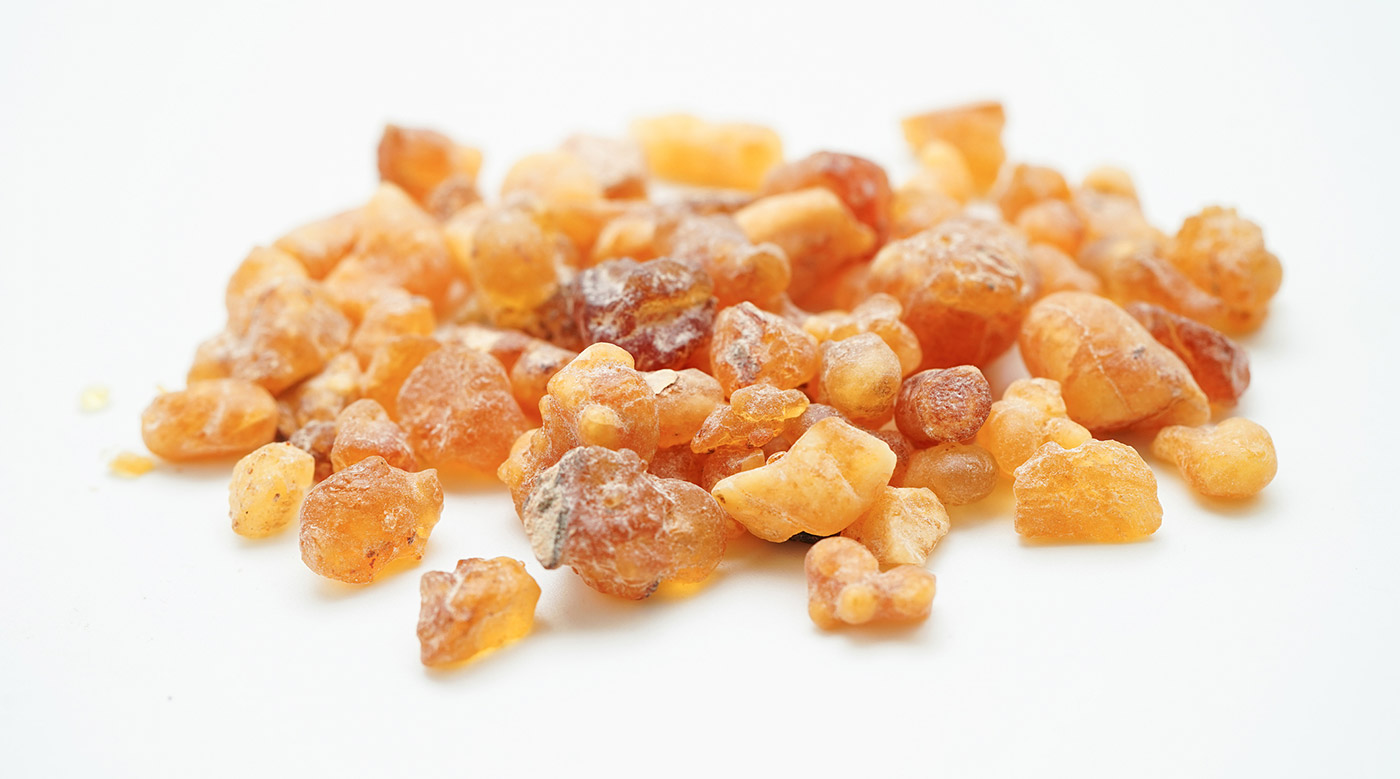 Emerging research highlights the role of plant-derived bioactive compounds as a promising, less invasive therapeutic avenue targeting cartilage preservation through altering the catabolic-anabolic balance. Catabolic pathways are the body's natural mechanisms to break down molecules, and it can become a vicious cycle in the joints, leading to ongoing degradation.8 The many pathways for catabolic breakdown have opened up the understanding of how to intervene.9
I believe the most promising approach involves synergistic plant bioactives that support cartilage regeneration (anabolism) to enhance joint comfort and mobility, with minimal adverse effects compared to corticosteroids.
Clinical evidence supports the use of specific plant bioactives for osteoarthritis symptom management:
- Specialized Boswellia serrata extracts: Effective in pain relief and joint function improvement,
- Paired with synergistic, unique celery seed extracts.
The Wisdom of Synergy
Boswellia and celery seed each contain a diverse constellation of phytochemicals. One compound in particular, serratol, has been shown to influence epigenetic switches that encourage tissue regeneration and temper catabolic enzymes. When combined with twelve other bioactives in a carefully balanced ratio, this creates a synergistic cascade that enhances cartilage recovery, resilience, and regeneration.
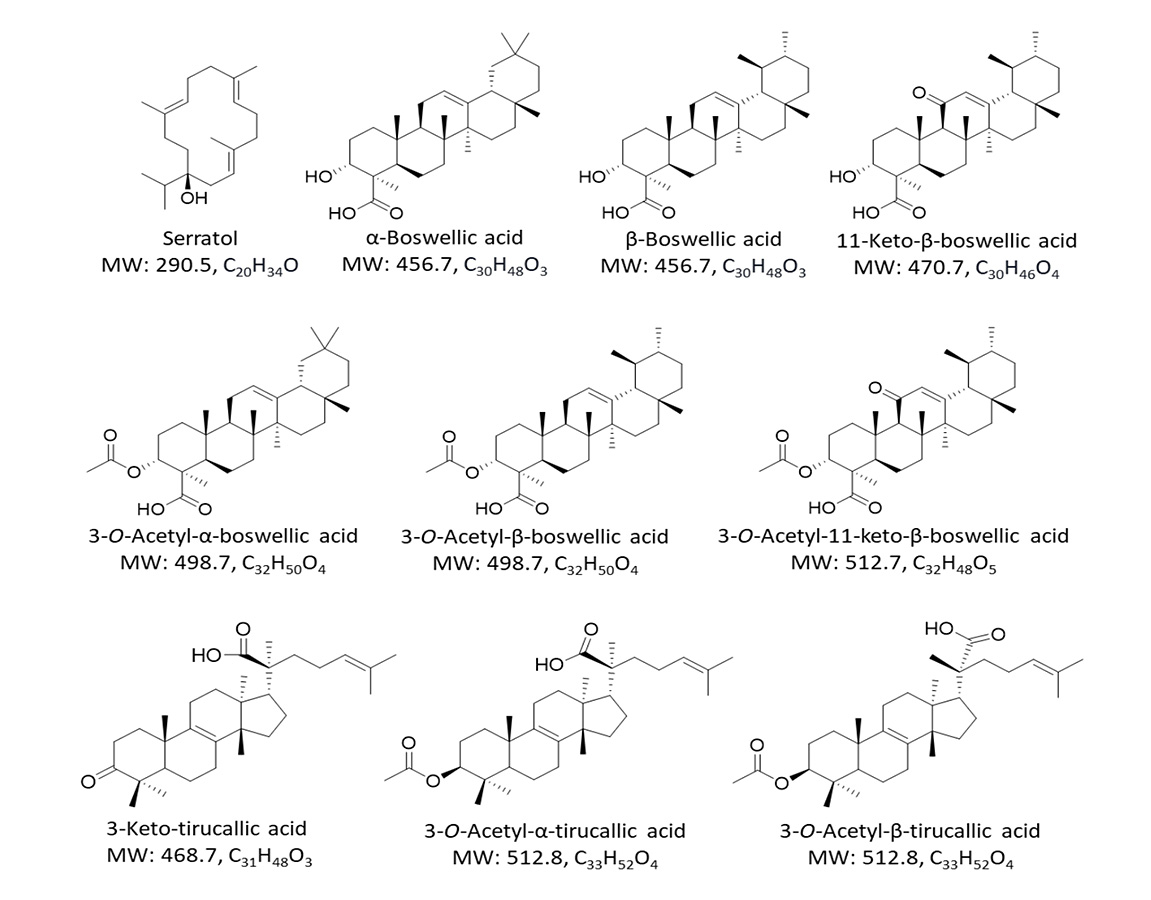
The unique bioactives extracted from both boswellia and celery seed have beneficial effects as standalone molecules. However, together, they create a dual-action formula targeting both inflammatory and oxidative pathways — delivering results that generic, non-standardized extracts cannot match.
The Boswellia extract used in this combination is standardized via HPLC-PDA to contain ≥40% total Boswellic acids—including AKBA, KBA, and BBA—as well as Serratol and Tirucallic acids ≥6%. The Celery Seed Extract is standardized for Apiin and 3-n-Butylphthalide (3nB), with total flavonoids ≥2.5% verified by UV spectroscopy.
Together, these compounds act through complementary mechanisms:
- 5-LOX inhibition to reduce leukotriene-driven inflammation
- COX-2 modulation to balance prostaglandin signaling
- Flavonoid antioxidants (Apigenin, Luteolin, Quercetin) to protect tissue and stabilize cytokine activity
The outcome is not mere pain relief—but a restoration of physiological balance, and a gradual reclaiming of joint integrity and comfort.
Results from Scientific Studies
This combination of 13 plant-derived bioactive extracts from Boswellia serrata and celery seed has been tested in 3 human studies. Results highlight functional benefits (see Figure 1), including reductions in pain, improvements in distance walked in 6 minutes, and significant gains in cartilage regeneration biomarkers.
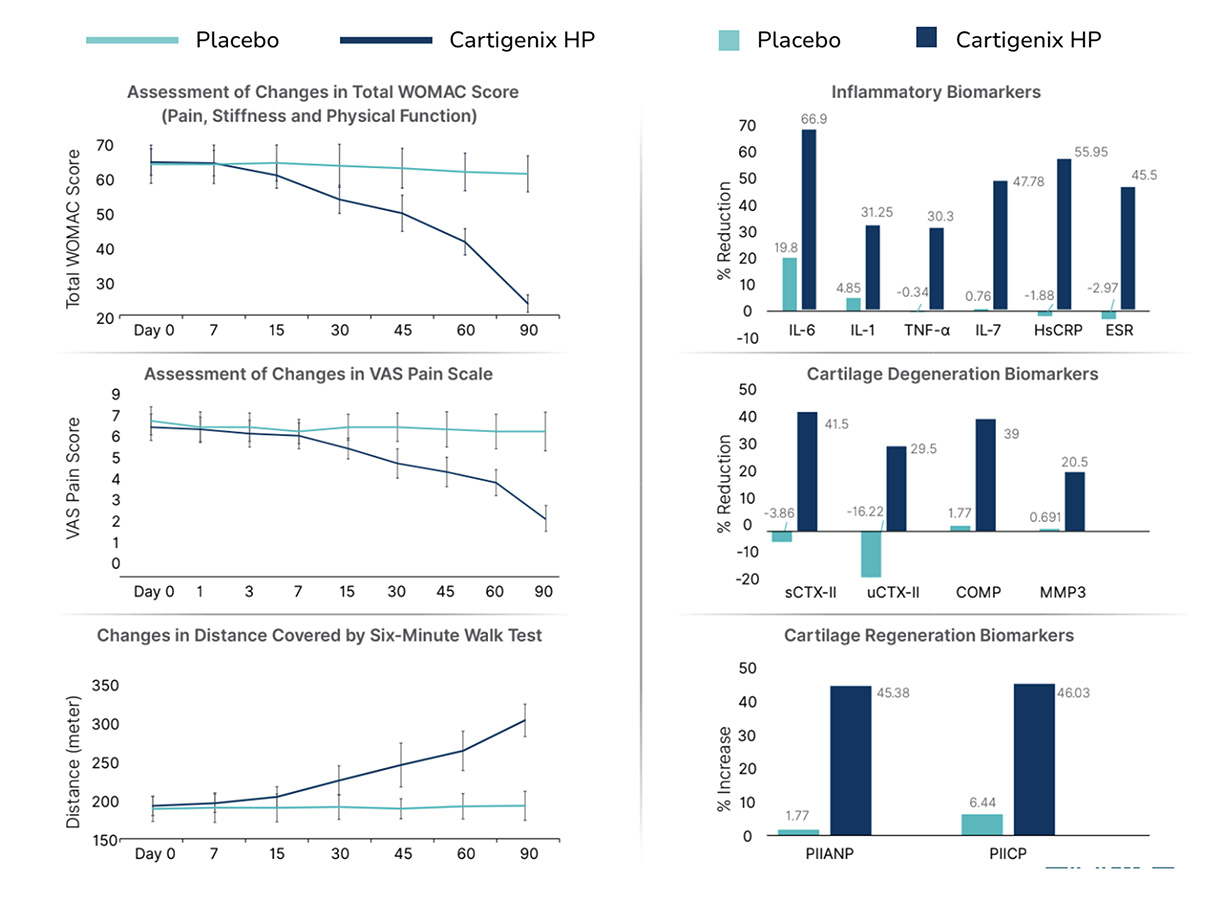
As shown in a placebo-controlled, randomized, controlled human research studies (Vaidya 2025 ) and an observational trial (Desai 2024 ). A prospective study (n=1,236) similarly demonstrated significant improvements in pain scores, along with quality of life measures (Desai 2022 ).
Key phytochemicals work synergistically and are documented to reduce inflammatory biomarkers, improve cartilage regeneration biomarkers, and drastically improve patient measures like the 6-minute walk score and WOMAC pain scores.
Embrace the New Paradigm
For clinicians managing patients with joint pain, particularly those with cartilage degradation, a paradigm shift away from symptom-suppressive therapies like corticosteroids to more comprehensive root-cause strategies is warranted.
 Incorporating plant bioactives validated by RCTs as adjunctive or alternative treatments offers a safer profile, targets inflammation and cartilage preservation, and may delay or reduce the need for invasive interventions. Massage remains a valuable supportive therapy for improving joint function and pain relief but should be combined with approaches addressing tissue repair for optimal long-term outcomes.
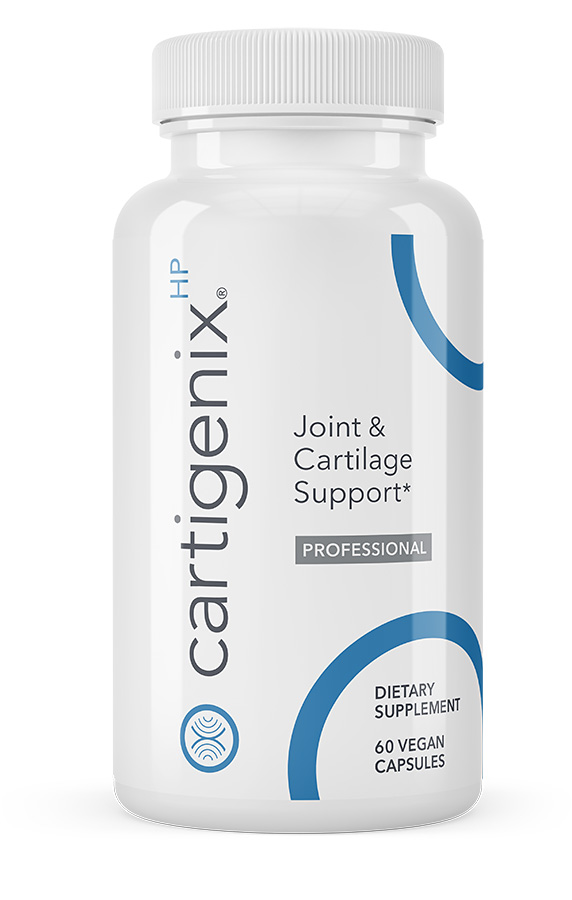
These standardized plant bioactives found in Cartigenix HP represent a scientifically supported, clinically relevant option that clinicians should consider integrating into holistic joint health management plans.
Since over 89% of individuals have cartilage degradation, this is a simple step you can take today to benefit most of your patients:
About Tom Bayne
Dr. Tom Bayne is a Chiropractic Physician who has practiced and worked in the field of Functional Medicine for almost 30 years. Dr. Bayne worked with a team of physicians and microbiologists to create MegaSporeBiotic®, the world's first pharmaceutical-grade, 100% spore-based probiotic. This innovation marked the beginning of Microbiome Labs, where he served as President. He traveled globally to educate healthcare practitioners on the connection between the gut microbiome and various chronic conditions.
Since his exit in 2023, Tom has Co-founded 3 other companies in the Health and Wellness space with the goal of providing cutting edge solutions to some of today's most concerning health issues by providing clinically proven technologies and ingredients that improve human health.
About Calroy Health Sciences
At Calroy, we don't follow trends—we set them. And we don't just follow the science—we advance it. Calroy creates products without parallel: clinically tested, category defining solutions that support long-term health by targeting the systems and structures most others overlook. From launching the groundbreaking, gold-standard supplement for endothelial glycocalyx support (Arterosil HP) to the first nitric oxide product to provide up to 24 hours of support on a single dose (Vascanox HP), we pioneer breakthroughs that deliver meaningful outcomes. Calroy is proud to bring you Cartigenix-HP, documented to regenerate cartilage in 3 human clinical trials.
|
*These statements have not been evaluated by the Food and Drug Administration. This product is not intended to diagnose, treat, cure or prevent any disease. |
References
- Guermazi A, Niu J, Hayashi D, et al. Prevalence of abnormalities in knees detected by MRI in adults without knee osteoarthritis: population based observational study (Framingham Osteoarthritis Study). BMJ. 2012;345:e5339. doi:10.1136/bmj.e5339.
- Benzon HT, Provenzano DA, Nagpal A, et al. Use and safety of corticosteroid injections in joints and musculoskeletal soft tissue: guidelines from the American Society of Regional Anesthesia and Pain Medicine, the American Academy of Pain Medicine, the American Society of Interventional Pain Physicians, and the International Pain and Spine Intervention Society. Reg Anesth Pain Med. Published online February 26, 2025. doi:10.1136/rapm-2024-105656.
- Stone S, Malanga GA, Capella T. Corticosteroids: Review of the History, the Effectiveness, and Adverse Effects in the Treatment of Joint Pain. Pain Physician. 2021;24(S1):S233-S246. PMID: 33492920.
- Sohail R, Mathew M, Patel KK, et al. Effects of Non-steroidal Anti-inflammatory Drugs (NSAIDs) and Gastroprotective NSAIDs on the Gastrointestinal Tract: A Narrative Review. Cureus. 2023;15(4):e37080. Published 2023 Apr 3. doi:10.7759/cureus.37080.
- Kavanagh K, Hsu FC, Davis AT, Kritchevsky SB, Rejeski WJ, Kim S. Biomarkers of leaky gut are related to inflammation and reduced physical function in older adults with cardiometabolic disease and mobility limitations. Geroscience. 2019;41(6):923-933. doi:10.1007/s11357-019-00112-z.
- Persson MSM, Stocks J, Walsh DA, Doherty M, Zhang W. The relative efficacy of topical non-steroidal anti-inflammatory drugs and capsaicin in osteoarthritis: a network meta-analysis of randomised controlled trials. Osteoarthritis Cartilage. 2018;26(12):1575-1582. doi:10.1016/j.joca.2018.08.008.
- Salis Z, Sainsbury A. Association of long-term use of non-steroidal anti-inflammatory drugs with knee osteoarthritis: a prospective multi-cohort study over 4-to-5 years. Sci Rep. 2024;14(1):6593. doi:10.1038/s41598-024-56665-3.
- Blasioli DJ, Kaplan DL. The Roles of Catabolic Factors in the Development of Osteoarthritis. Tissue Eng Part B Rev. 2014;20(4):355-363. doi:10.1089/ten.teb.2013.0377.
- Tong L, Yu H, Huang X, et al. Current understanding of osteoarthritis pathogenesis and relevant new approaches. Bone Res. 2022;10(1):60. doi:10.1038/s41413-022-00226-9.
- Vaidya N, Agarwal R, Dipankar DG, et al. Efficacy and Safety of Boswellia serrata and Apium graveolens L. Extract Against Knee Osteoarthritis and Cartilage Degeneration: A Randomized, Double-blind, Multicenter, Placebo-Controlled Clinical Trial. Pharm Res. Published online January 28, 2025. doi:10.1007/s11095-025-03818-2.
- Desai A, Anand S, Nair S, Chorghe P. Assessing the effectiveness and NSAIDs sparing effect of celery seeds and Boswellia serrata in osteoarthritis management. Indian Journal of Orthopaedics Surgery. 2024;10(4). doi:10.18231/j.ijos.2024.052.
- Desai DA, Shendge DP, Anand DS, Nair DS. Clinical effectiveness and tolerability of Celery seed and Boswellia serrata extract in osteoarthritis. Int J Orthop Sci. 2022;8(2):248-252. doi:10.22271/ortho.2022.v8.i2d.3143.