Molly Harbour Hutto, LAc, MSOM, Dipl. OM
As an acupuncturist, you are likely aware of the benefits of receiving Chinese medical care throughout one’s oncology journey. The benefits are numerous, but seldom do I see commentary on the critical need for continued care on the other side of one’s cancer treatment – once they are deemed “NED” or no evidence of disease.
The Challenges of Remission
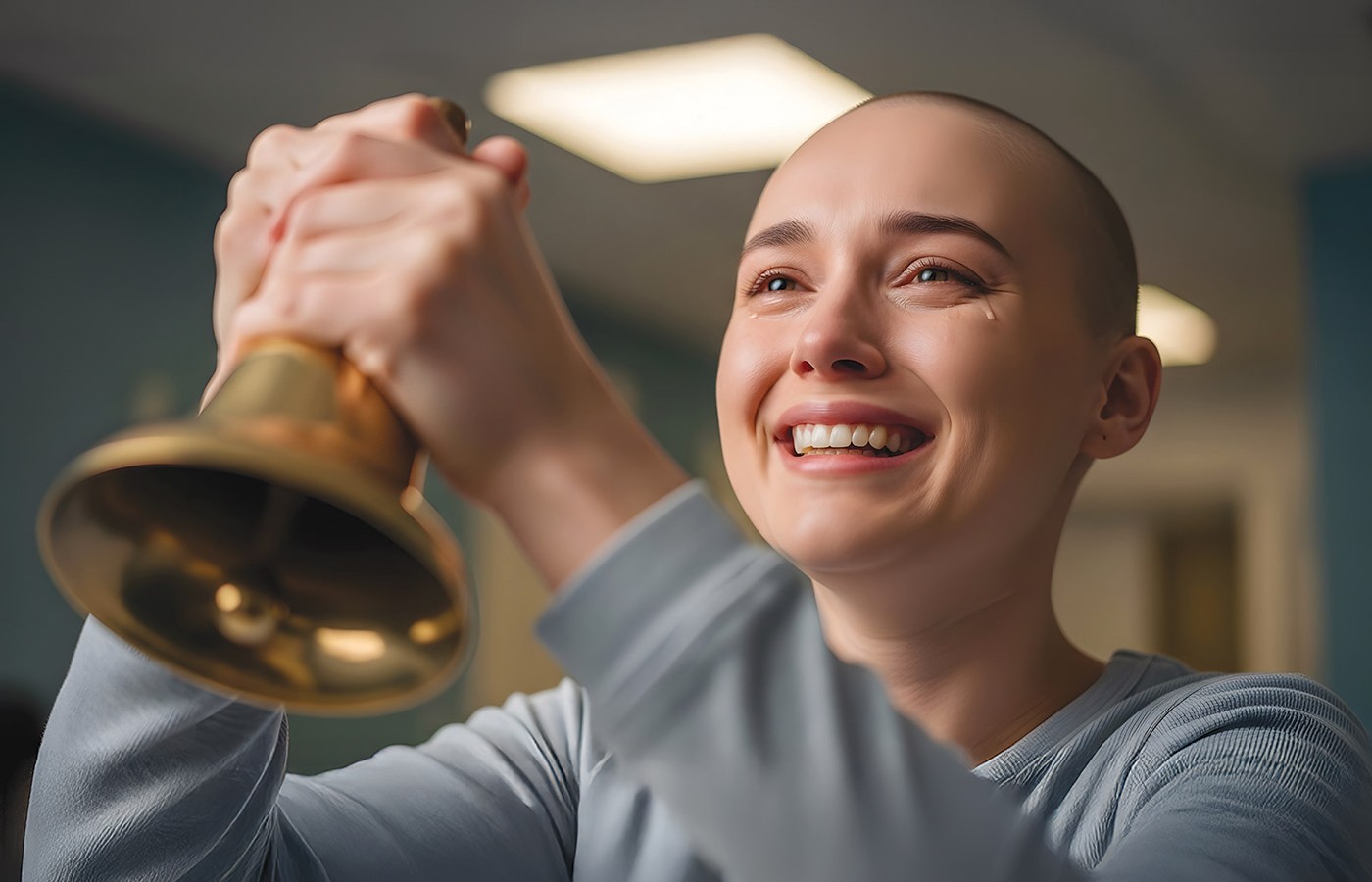
In over a decade of working with oncology patients as their acupuncturist, I have learned to anticipate their dismay once in remission. There is so much hopefulness as they near the finish line to ring that bell. Many believe they will be able to jump right back into the lives they knew; but many of them, if not most, report back a pervasive sense of anxiety or depression as their visits with their oncologists and primary cancer care team abruptly drop from weekly to about once every 3-6 months – or even less frequently, suddenly leaving them with a fraction of the support they had.
I have seen patients lose their jobs due to their cancer rendering them disabled post-treatment. Those who are lucky enough to have support systems that shield them from the most extreme challenges still find themselves grappling with the deeply traumatic nature of their experience, having faced their mortality, often while still raising children and trying to build careers and a stable financial foundation.
The bottom line is, cancer is traumatic and trauma needs tending to. In truth, the physical implications of cancer, even post-treatment, can be debilitating, but the psychological implications are perhaps just as disruptive. Many of my patients have juggled numerous appointments after treatment tending to lymphedema, brain fog and pain as they adjust to a new body they barely recognize. Psychologically, however, patients report a continued sense of dread and anxiety: fear that every odd feeling might mean more chemotherapy or surgery.
Patients report key relationships deteriorating as they realize they no longer relate to people in the same way; their entire lives changed indefinitely as they were involuntarily forced to fight for their lives.
In the acute phases after moving through trauma, a patient will likely find themselves very distracted and not as capable as they were previously to focus on tasks like their jobs or chores at home. Things can fall apart quickly, but even if they don’t, patients will often feel as if they are about to, placing perpetual stress on them.
A Bridge for Patients
Acupuncturists have the ability to be the bridge for cancer patients between acute to post-oncology care. The benefits patients receive from us during their treatment are well-researched and documented, but the fact that we are one of the only providers whose cadence with our cancer patients does not necessarily decrease once their doctors write “NED” on their medical charts makes us an invaluable tool to their stability as they reintegrate into their world.
On the other side of a patient’s oncology care, I conduct a re-evaluation to take inventory of where their highest needs lie now that they have completed chemo and radiation. It is important to remember that though the worst may be over, patients are about to embark on long treatments of adjuvant therapies such as tamoxifen or aromatase inhibitors like letrozole; and each of these drugs carries its own risks of side effects, often completely altering their primary constitutions we have been working with all along. It’s important to understand you may now be working with a different primary diagnosis.
If you treat oncology patients, know that your role doesn’t end when their chemo does. Of course we celebrate this triumph with them, but be braced a step ahead to show them you will be an invaluable resource for them still, and that you are prepared with next steps in their care.
You might develop a post-treatment intake template with emphasis on what their Western treatment plan will be henceforth, what their mental health struggles and personal life struggles are, how their quality of life could be better, and what residual physical symptoms are hindering their sense of normalcy.
The Clinical Relationship
I highly recommend seeking training on trauma-informed care if you feel uncomfortable navigating the emotional terrain of medical trauma. Know that your skillset already sets you up to be an invaluable support to these patients, and knowing how to walk through the fire with them will give you something to be proud of, and give them more relief than you may ever realize.
Trauma-informed language and principles in communication are quite impactful; these include well-timed use of silence, predictability in language, and control. Be an incredible listener and prepared to inspire, but not visibly discouraged when your message doesn’t land, keeping your ego in the back seat.
Normalizing a patient’s experience and sense of trauma is validating. Hearing that their emotional fallout post-treatment is expected and that it will pass with proper supports in place will give them the net to land on they’ve been hoping for.
After extreme illness, a lot of patients feel extremely isolated. If your community has survivor support groups or mindfulness programs, encourage them to reach out. Even attending just once can open the door to a connection or support they didn’t know they were missing.
Having a prepared list of professionals to refer to will mean a lot to these patients. It can cut down on hours of time spent calling around or researching who might be a good fit. I recommend finding professionals to refer to who you have vetted for impeccable bedside manner. My list includes an integrative dietitian, naturopathic doctors, therapists, physical therapists, lymphatic drainage massage therapists, and even a few patients who asked that their name be shared with patients who need a mentor through their journey.
Fulfill a Tremendous Need (While Opening YOur Professional World)
Oncology care is always evolving, and implementing our complementary medicine can open your professional world to a group of patients who desperately need you (and also to a group of doctors who increasingly seek us out). If you enjoyed this article, I encourage you to seek a CEU course on oncology care so your skillset remains relevant to this special group of patients.