During school, I recall hearing pain would be the most common new-patient complaint. Pain gets them in our door. Throughout my naturopathic medical school clinical experience I focused on techniques to make pain go away in the first appointment. This has helped patients develop trust in me. Trust between provider and client is important. During my clinical acupuncture internship shifts and my volunteer shifts at my community's Zen Buddhists clinic, the significant improvement patients developed reinforced my thought to include acupuncture.
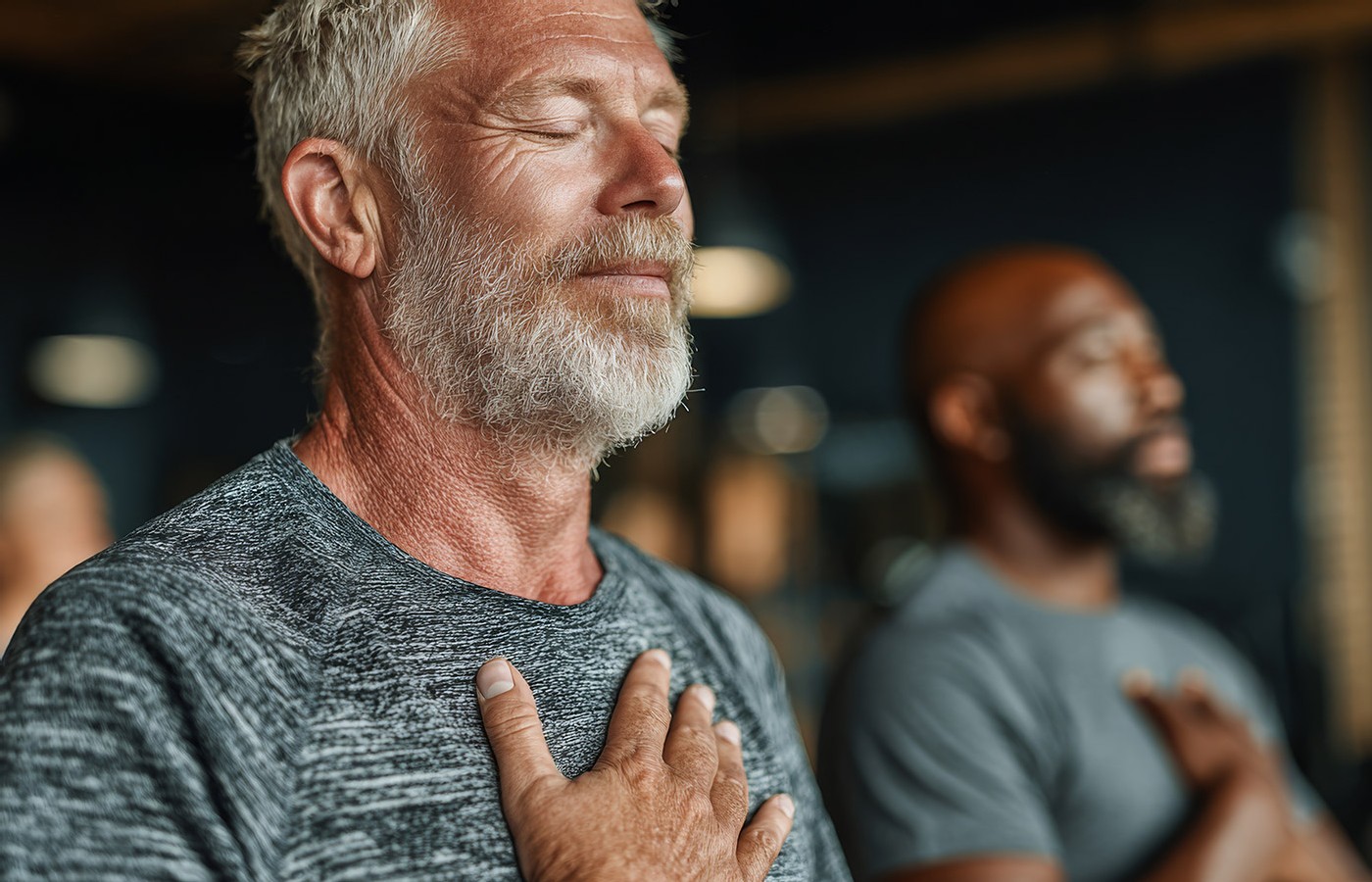
My TCM professor touched on breath briefly now and then during my time with him. Breath and jing are intimate in their relationship. Together they are life. With the separation of yin and yang the brightness of remaining jing as it gathers to exit is beautiful as an individual breathes their last breaths. Breath can stimulate relaxation, alertness, agitation and more. Difficulty in breathing brings anxiety and unrest. Those who have come to me in severe pain typically demonstrate irregular breathing, wincing faces and bodies braced from the pain. Teaching different, simple breathing techniques during their acupuncture appointments helped empower them to trust the process.
Doing breathing exercises can provide them with a way to ease their pain state a little while they wait to see their clinician; and gives them a way to help their loved ones with dis-ease, who will likely become referrals for more effective responses than your patient can install.
As an example, a common inflammatory problem in the U.S. is knee osteoarthritis (KOA). It is commonly understood KOA is related to not just genetics but signaling pathways of various inflammatory factors like cytokines and biomechanics which interpolate installation of this arthritis. The United States spends in excess of 40 billion dollars annually on about 700,000 knee replacement surgeries; each costing $30,000-$50,000 each.1-2
Both suffering and expense can be reduced, especially of those who require arthroplasty revisions, which are fairly common. Reduction of just 5% of knee arthroplasty surgeries could result in 35,000 fewer procedures and could possibly result in a savings of more than a billion dollars. By 2030, just four years from now, total knee arthroplasty surgeries are anticipated to reach 935,000.3
Research involving the use traditional Chinese medicine to treat KOA4 has shown TCM is:
- Safe, affordable and effectively improves functionality
- Effective via diverse TCM formulations, controls and treatment regimens
- Reduces pain and reinforces wellness
- Exposes subjects to lower risk of adverse events compared to over-the-counter and prescription drugs
This information is not a surprise to acupuncturists. The problem is industrialized nation populations at large do not have the intimate trust in TCM that our clients do. This is why they do not come to us.
By incorporating breathing techniques, however, simple or complex, perhaps you can travel a rapid road to a strong clinician-client relationship and make it easier to obtain referrals sooner The mind-body effect of breathwork helps the body relax and accept the cupping and/or acupuncture they are receiving.5-6
You can anticipate your client will find relief from both the emotional tension of pain and the physical pain itself more powerfully. While on your table, your client’s breathing techniques will increase endorphin release, opposing those inflammatory molecules that accumulate with pain.
Breathing techniques support a positive emotional response to pain. Well-being and recovery are elevated in tandem with the breathing patterns, maximizing the impact your acupuncture treatments can have in alleviating their pain crisis. Three breathing techniques are outlined below:7
| Breathing Type |
How It Helps |
Pain Management Improvement |
How It’s Done |
| Coherent breathing |
Can reduce blood pressure via heart rate; improves emotional regulation |
Elevates pain tolerance and improves pain-management strategies |
Inspire gently and expire slowly without holding breath on either side |
| Box breathing |
The rhythm created calms the mind and perception via improved oxygen supply; deep breathing and circulation |
Reduces muscle tension and overall pain |
Inhale for four seconds, hold for four seconds, exhale for four seconds |
| Belly breathing |
The parasympathetic nervous system is activated, forcing inflammatory cytokines and stress hormones to reduce by promoting relaxation |
Pain perception reduces as pain tolerance increases |
Breathe in through the nose, allow the belly to expand as the diaphragm drops, and keep the shoulders (axillary muscles) motionless |
References
- Mazzei DR, et al. Estimating budget impact and joint replacement avoidance by implementing a standardized education and exercise therapy program for hip and knee osteoarthritis in a publicly insured health care system. Arthritis Care Res, 2025 Feb 6;77(6):744-752.
- Hua Y, Salcedo J. Cost-effectiveness analysis of robotic-arm assisted total knee arthroplasty. PLoS One, 2022 Nov 28;17(11):e0277980.
- Mazzei DR, et al., Op Cit.
- Wang M, et al. Mechanism of traditional Chinese medicine in treating knee osteoarthritis. J Pain Res, 2020 Jun 15:13:1421-1429.
- Lehrer PM, Gevirtz R. Heart rate variability biofeedback: how and why does it work? Front Psychol, 2014;5:756.
- Weng C, et al. Research on knee joint load and influencing factors of typical tai chi movements. Appl Bionics Biomech, 2022 Mar 8;2022:6774980.
- Nestor J. BREATH: The Science of a Lost Art. Riverhead Books, 2020: pp. 221, 228-9.