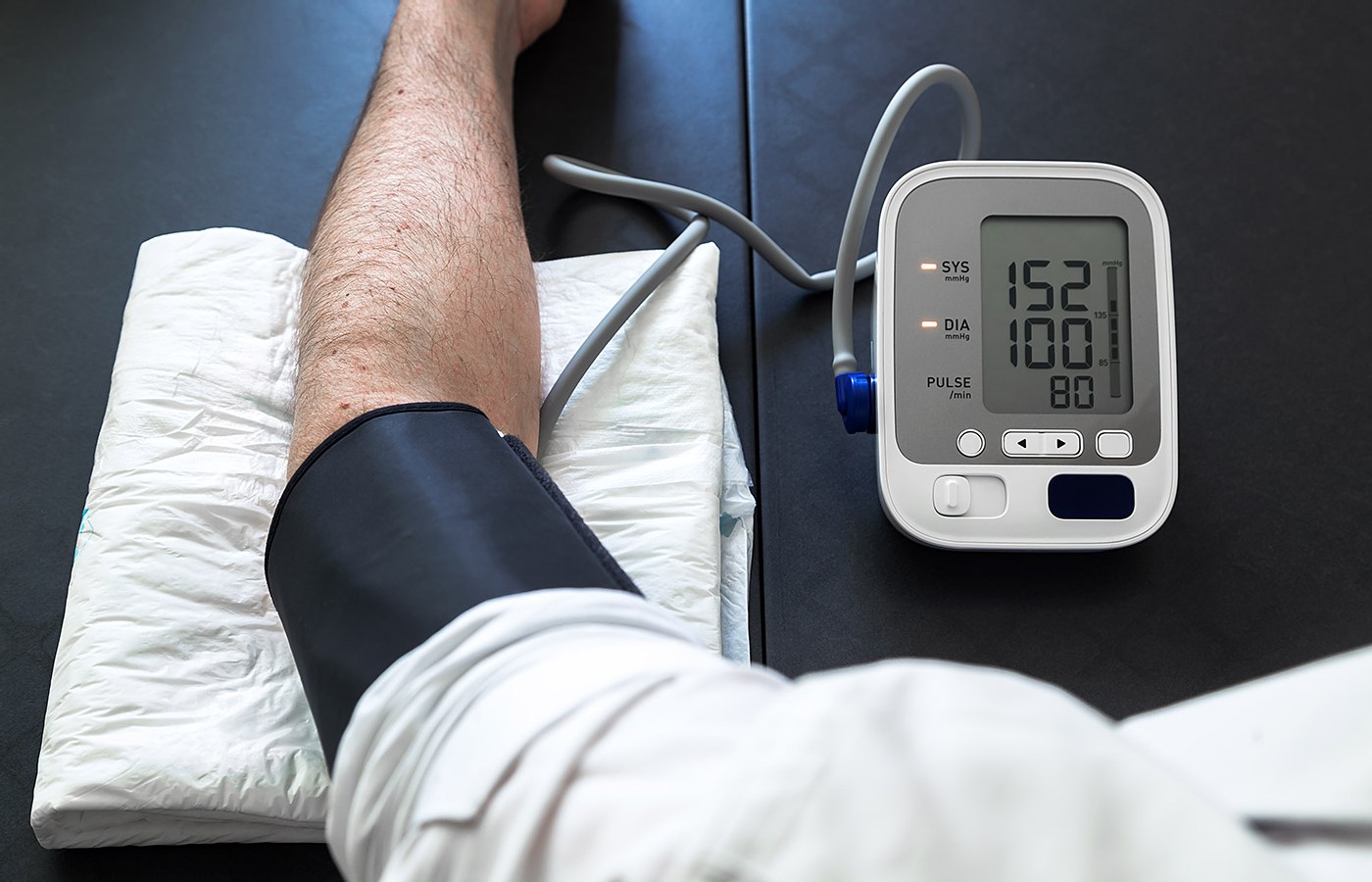
One of the things that continues to surprise me in practice is how often patients blame every symptom on their blood pressure. Some tell me, “I know my pressure is high today because I have a headache.” Others insist, “I only feel this way when my blood pressure goes up.”
Yet after a longer conversation, I often discover that they slept four hours the night before, drank several cups of coffee, skipped meals, or have been under tremendous stress for months.
Because of this, I have become increasingly cautious about making assumptions based on a single blood pressure reading. Before discussing treatment, I usually ask simple questions:
- How have you been sleeping lately?
- How much caffeine are you consuming?
- Have you been drinking energy drinks?
- Are you going through a particularly stressful period?
Sometimes the answers are far more revealing than the blood pressure number itself.
I also pay close attention to facial complexion, emotional presentation, posture, muscular tension and pulse findings. Some patients appear flushed, restless and agitated. Others appear exhausted and depleted. The numbers may be similar, but the patients sitting in front of me are often completely different.
I also occasionally see patients whose office readings are significantly higher than their home measurements. In these situations, I often encourage them to keep a home blood pressure log. The home readings sometimes tell an entirely different story.
Another observation I repeatedly encounter is significant tension in the upper trapezius and suboccipital muscles. Many patients spend long hours at a computer, sleep poorly and carry substantial emotional stress.
Interestingly, many of these individuals are not primarily seeking treatment for hypertension itself. In our clinic, patients are often looking for relief from headaches, dizziness, neck tension and insomnia.
This is one of the things I appreciate most about traditional East Asian medicine. We are encouraged to look beyond the numbers and ask a different question: What is really happening in this person’s life?
The longer I practice, the more convinced I become that blood pressure readings represent only one part of a much larger clinical picture. Two patients may have the same numbers, but they rarely have the same story.
Editor’s Note: This is the first of a three-article series by Dr. Song on clinical observations and management of hypertension in the acupuncture clinic.