Adam Miramon, DACM, Dipl. OM, LAc
| DIGITAL EXCLUSIVE
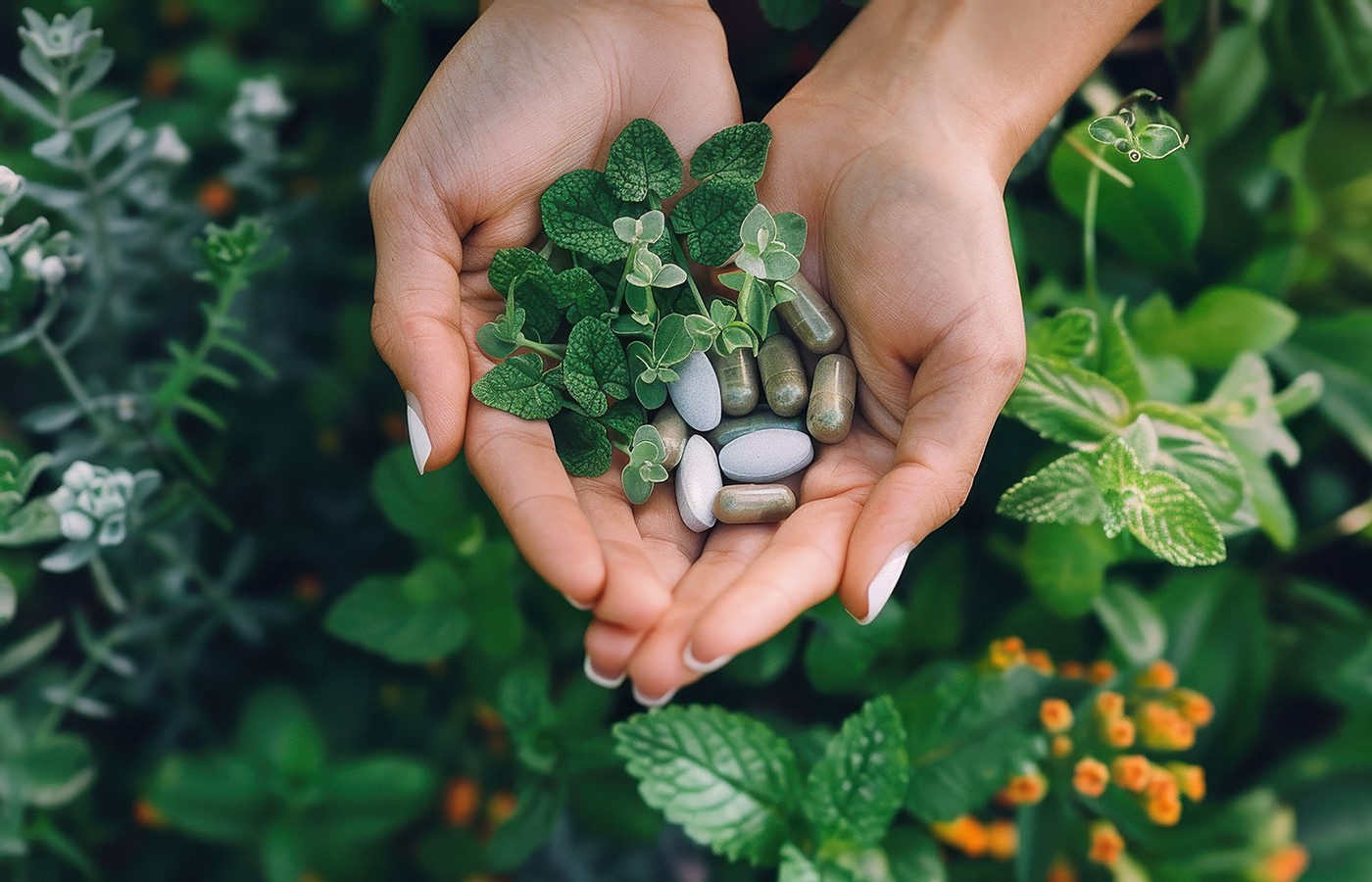
The umbrella of East Asian medicine (EAM) includes acupuncture, tuina, qi gong, dietary and nutritional therapy, and herbal medicine. Acupuncture, tuina, dietary, and nutritional therapies have earned the respect of our Western medicine colleagues. However, there is some hesitancy with qi gong and herbal medicine.
While we can mostly navigate qi gong through the lens of meditation and stress reduction, herbal medicine is sometimes viewed as supplementary, non-essential, contraindicated, and even dangerous in some cases. When we are unable to practice or utilize all of the tools of our medicine or coordinate care with our Western colleagues, our patients are not fully served.
This brings us to the question: How do we dispel misinformation and break down barriers to herbal medicine?
Prior to becoming a practitioner of EAM, I volunteered and worked with the Western medical community since the mid-1990s. This exposure provided me with the language, knowledge and experience to translate East Asian medical information for Western practitioners early in my career.
Since then, I have educated and collaborated with Western physicians for over a decade. The most common concerns from Western physician colleagues about herbal medicine are increased risk, lack of research, and (in some cases) outdated information regarding sourcing, production, distribution, and access to our pharmacopia.
Western medical practitioners naturally have a high aversion to risk. This aversion to risk is driven by the rising prevalence of malpractice settlements. Malpractice settlements have cost insurance companies and their covered Western medical practitioners over $4 billion in the past decade, with some payouts topping $56 million per claim in 2024. Because of these rising payouts, their insurance premiums can cost $20,000 annually for primary care and in excess of $200,000 annually for specialty care such as surgery or OBGYN.
Those of us trained in herbal medicine understand the minimal risk involved with appropriate herbal prescription. Our western medical colleagues’ training does not include herbal training or exposure, so knowledge does not easily translate. How can we address their concerns around risk?
The best approach is to address herbal risks directly. In my experience, the most common concerns for Western physicians are:
- Sourcing and contamination
- Pharmaceutical and herb interactions
- Lack of adequate or quality research
Sourcing and Access
The conversations I have had with Western physicians regarding herbal medicine sourcing highlight outdated belief systems. There is a perception that the herbs we prescribe are sourced from small, unregulated herbal shops, open-air markets, and even parking lots. While this belief is offensive and problematic on many levels, I continue to hear comments from Western medical professionals that continue to imply and support this outdated belief.
The key is to educate these professionals about where the herbs you prescribe are sourced, the quality of the herbs, the testing involved, and the reputation of companies with whom you work. Companies should source their products ethically and their products should be tested for species authenticity, pesticides, and heavy metals. Whatever company you work with should have a strong reputation for high-quality herbal products that are extensively tested.
Pharmaceutical and Herb Interactions
Another area of concern is pharmaceutical-herb interaction. Western medical professionals are not typically trained in East Asian pharmacopeia, so naturally, they are not knowledgeable of possible side effects, herb-herb interactions or pharmaceutical-herb interactions. In addition, as the general public continues to gain access to herbs but commonly fails to be transparent with their practitioners about such use, it is increasingly common for Western practitioners to have a more negative view of herbal products.
This is actually an area where our expertise can shine because we receive training on known side effects, pharmaceutical-herb interactions and herb-herb interactions. We also have access to many resources that document and outline these interactions. In fact, some herbal companies publish known pharmaceutical-herb interactions on their websites.
Aside from known and well-documented pharmaceutical-herb interactions, the ability to educate Western medical professionals relies heavily on an herbalist's ability to understand and explain the pharmacodynamic and pharmacokinetic of these pharmaceutical-herb interactions.
Lack of Adequate or Quality Research
Another common response regarding herbs is the lack of adequate or quality research. Many individual herbs and formulations have been researched for a variety of well-known conditions. However, Western medical professionals may question the validity of research based on research methods (systematic, objective, empirical, and reproducible), control and experimental group size, and sheer quantity of available research.
When there is not enough research, small group sizes, or questionable methods, Western medical professionals are less inclined to support herbal usage. What would swing them in your favor?
My conversations and experience have taught me that Western medical professionals are seeking hundreds or thousands of studies where a meta-analysis can be conducted. A meta- analysis is considered the highest level of research and it is a quantitative, statistical method that reviews data from multiple independent studies, thereby providing increased reliable conclusions than that of individual studies.
Unfortunately, there is no easy way around this barrier, so the best approach is to rely on your knowledge, experience, expertise, and connections with these professionals to address these concerns.
Other Specific Concerns
Western medical professionals may have other concerns that do not fall into these other categories. These concerns can be patient-, condition- or specialty-specific, and we may not always have all the information to address them. The key here is to ask questions, listen and obtain as much information as possible.
Once you believe you have an understanding of their concern, repeat it back to them to ensure your understanding. Finally, if you have the necessary information to address the stated concern, present the information. If you require additional information or research, table to the conversation until you are adequately prepared.
Collaborating with Western medical professionals is going to continue to become more common. Our ability to connect, educate, explain, and coordinate care for our joint patients increases patient outcomes and satisfaction. One of the most important aspects of these interactions is a willingness to listen to and address their concerns.
By remaining open, honest, and transparent, you can build quality relationships with Western medical professionals who will respect your professional judgment.
Author’s Note: In part 2 of this article, I provide a concrete example of how I applied these tools to be able to prescribe East Asian herbs with the support and cooperation of a reproductive endocrinologist and infertility (REI) physician.